City field note 03
Food networks and tree canopy make two living Sacramento systems.
One connects farms with tables; the other joins public and private trees in a long-term plan for shade, habitat and resilience.
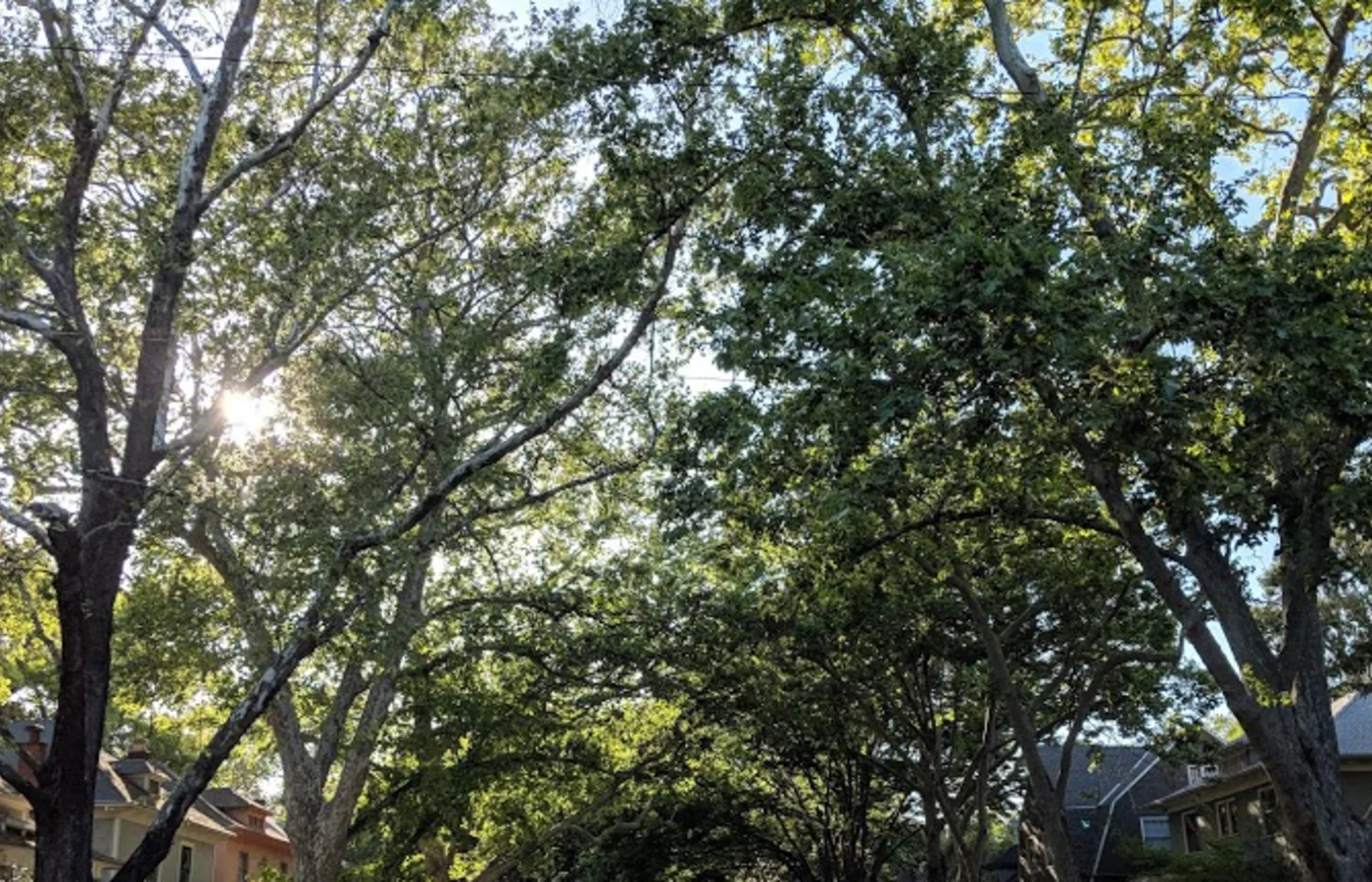
Sacramento uses two place-based ideas to describe systems that residents encounter every day: the regional farm-to-fork network and the urban forest. Neither is a single attraction. Each depends on many participants, changing seasons, maintenance and long-term planning. Official sources help separate those systems from the slogans that have grown around them.
Farm-to-fork is a regional connection
Visit Sacramento presents the city as “America’s Farm-to-Fork Capital,” an identity based on access to a large agricultural region and the relationships among growers, markets, restaurants and consumers. Its farm-to-fork materials emphasize the people and products behind meals rather than claiming that every restaurant follows one uniform practice. Seasonal availability, purchasing decisions and individual businesses determine what appears on a menu.
The organization has developed events and promotional programs around that identity, including a September celebration. Event dates, participants and ticketing can change, so visitors should use the official calendar rather than relying on an old article. The enduring idea is the supply chain: land, water, labor, transport, storage and preparation connect a farm product to a table.
The urban forest crosses property lines
The City of Sacramento defines its urban forest as all trees growing within the city, on both public and private property. The city estimates that only about twenty percent are public trees. That distinction matters because responsibility for care depends on ownership, location and applicable city rules; the broad identity “City of Trees” does not answer who must inspect or maintain a particular tree.
Sacramento’s Urban Forest Plan was adopted on June 24, 2025. The city describes it as a twenty-year plan intended to guide protection, expansion and stewardship of the urban forest, with a goal of thirty-five percent canopy coverage by 2045. The plan treats shade, public health, habitat, stormwater and climate resilience as connected benefits while also recognizing the work required to plant and maintain trees equitably.
A canopy photograph captures a moment; an urban forest plan deals with decades. Species selection, drought, disease, extreme heat, storms, pruning, infrastructure conflicts and young-tree survival all affect the result. Residents should use the city’s current urban forestry information when they have a question about a street tree, permit or service request. A mature canopy is a shared visual asset, but care decisions remain specific to the tree and its location.
The practical insurance bridge: record maintenance and responsibility
Food systems and urban forestry do not determine insurance coverage, and this page does not imply otherwise. They do show why records and responsibility matter. Property owners can keep dated photographs and invoices for tree inspections, pruning, roof and gutter work, irrigation changes and repairs. Tell an insurer accurately about occupancy, business activity, structures and property conditions. Ask how trees, landscaping, falling objects, food-related home businesses, spoilage or equipment are treated if they are relevant; exclusions and special limits vary. Insurance is not a substitute for qualified maintenance or public-safety guidance. The policy actually issued—not a city identity or website summary—controls coverage.
Primary sources
Farm-to-fork context was checked against Visit Sacramento’s organizational overview and farm-to-fork materials. Urban forest facts come from the City of Sacramento’s Urban Forestry page and Urban Forest Plan. Insurance-record guidance follows the California Department of Insurance Residential Insurance guide.