City field note 01
The State Capitol is both a landmark and a working building.
Sacramento has served as California’s permanent capital since 1854; its Capitol records a long cycle of planning, construction, use and restoration.
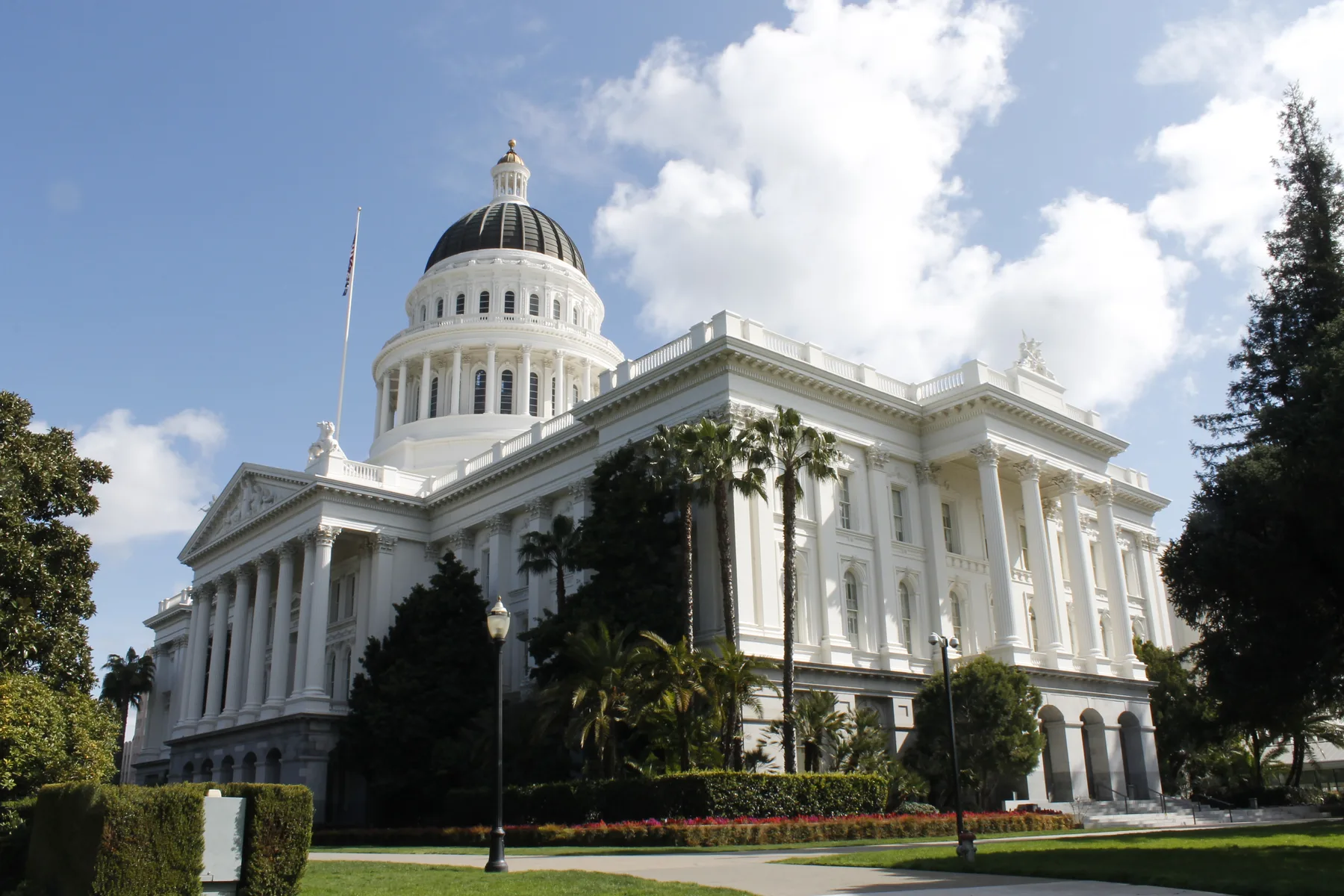
The California State Capitol occupies an unusual role: it is a symbol recognized far beyond Sacramento, a museum open to the public and an active seat of government. The California State Capitol Museum describes the building as the place where California’s recent history is made while visitors encounter preserved rooms, exhibits and the surrounding park. That mix of daily work and historical stewardship is central to understanding the landmark.
A capital chosen before its building was finished
California’s early capital moved among several cities before Sacramento became the permanent seat in 1854. Planning for a dedicated Capitol followed. According to the Capitol Museum’s construction history, work began in 1860 and continued through 1874. The long schedule crossed the Civil War era and required an evolving combination of design, funding, materials and craftsmanship. The building’s classical form—including its dome and columned façades—was intended to give the young state a durable civic center.
The museum’s account also shows that “finished” did not mean frozen in time. Government needs changed, the complex expanded and building systems aged. A major restoration from 1975 through 1982 sought to improve safety and functionality while preserving the historic character of the west wing. Craftspeople reconstructed and restored finishes, offices and details so the building could continue serving both public and governmental roles.
The park is part of the civic composition
The building and grounds work together. Capitol Park grew around the structure as a collection of paths, monuments and plantings. The formal setting softens the scale of the government complex and gives visitors multiple ways to approach it. From street level, the dome provides orientation; closer in, the columns, windows, stonework and landscaping become a record of different eras of stewardship.
That record is worth reading carefully. Official sources distinguish the original construction from later changes and restoration, and they present the Capitol as a working site rather than a preserved shell. Visitors should use the Capitol Museum’s current information for tours, closures and access because security and legislative activity can affect public entry. Dates, room availability and entrance procedures may change even when the building’s familiar exterior does not.
The practical insurance bridge: document what changes
A government landmark and a residence are not insured the same way, and this page makes no claim about coverage for the Capitol. The useful household lesson is narrower: buildings change over time, and records help explain what exists now. For a home, keep permits, contracts, photographs and descriptions of additions, roof work, electrical upgrades, finish changes and other substantial improvements. Use those facts when reviewing a rebuilding estimate. Market price is not the same as reconstruction cost, and historic appearance does not establish how an insurer will value a loss. Ask how code upgrades, special materials and debris removal are treated. Retain a copy of important records somewhere other than the property. Only the policy actually issued determines coverage.
Primary sources
History and dates were checked against the California State Capitol Museum overview, its Capitol history and the museum’s construction account. The insurance bridge follows the California Department of Insurance Residential Insurance guide. Consult those current sources for their respective subjects.